28 Apr 2026
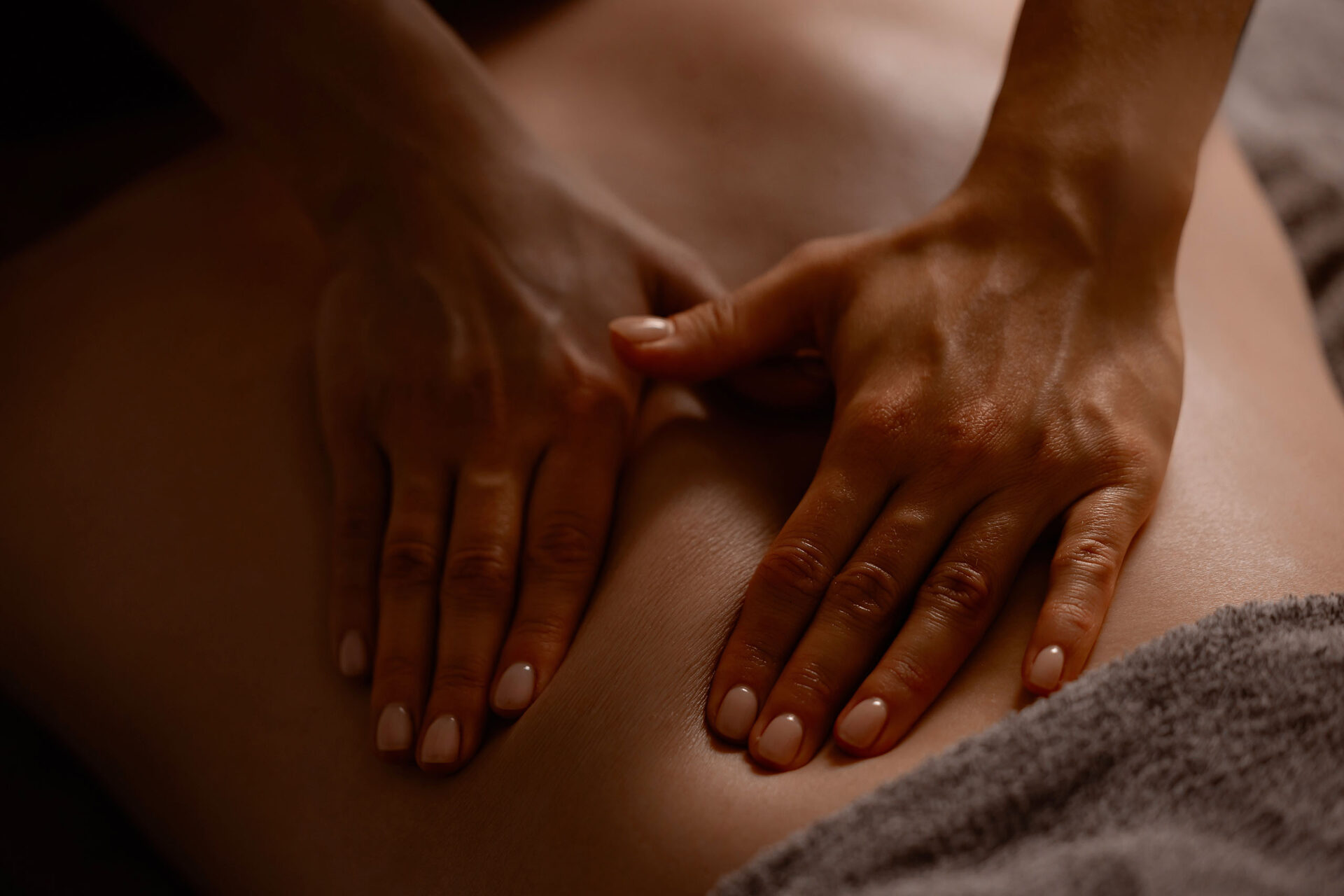
Massage is often thought of as an occasional treat, something booked only when stress feels overwhelming or muscles become too tight to ignore. But in reality, one of the biggest benefits of regular massage is that it helps the body stay balanced before tension has the chance to build.
This leaves many people wondering: how often should you get a massage to truly experience long-term results?
The answer depends on your lifestyle, stress levels, and physical needs, but one thing is clear: massage works best when it becomes part of a consistent wellness routine rather than a once-in-a-while luxury. Massage can be a valuable form of proactive body care, helping support long-term comfort, relaxation, and recovery when used consistently.
Why the Benefits of Regular Massage Build Over Time
Just like exercise, skincare, or healthy sleep habits, massage provides the best results when practiced consistently. While one session can certainly offer temporary relief, the full benefits of regular massage come from helping the body maintain improved circulation, reduced muscular tension, and better nervous system balance over time.
Some of the most noticeable benefits include:
- reduced muscle tightness
- improved circulation
- stress relief
- nervous system support
- improved mobility
- faster recovery from physical strain
How Often Should You Get a Massage Based on Your Wellness Goals?
There is no single answer to how often should you get a massage, because everybody carries stress and physical demand differently. However, there are some helpful frequency guidelines depending on your goals.
For Stress Relief and Relaxation
If your primary goal is managing everyday stress and maintaining calm, scheduling a massage once a month can help reduce accumulated tension and keep the nervous system feeling more balanced.
For Muscle Tightness and Physical Discomfort
If you regularly deal with neck tension, shoulder tightness, lower back discomfort, or desk-related strain, every 2–3 weeks may provide more noticeable support.
For Active Recovery
Those with active lifestyles or physically demanding routines often benefit from more consistent sessions to support mobility and muscle recovery.
For General Wellness Maintenance
Even one massage every 4–6 weeks can provide meaningful support when used as preventative wellness care.
An important thing to remember is that massage can be one of the most effective tools for helping the body stay ahead of discomfort.

Signs You May Need Massage More Often
If you are unsure how often should you get a massage, your body often provides helpful clues.
You may benefit from more regular sessions if you experience:
- recurring neck and shoulder tension
- frequent headaches
- poor sleep
- feeling physically drained
- soreness after workouts or daily activity
- high stress levels
These are often signs that the body is holding onto muscular and nervous system tension longer than it should.
Creating a Wellness Routine Around Massage Frequency
One of the most overlooked benefits of regular massage is that it works even better when paired with other wellness therapies.
For example, many clients choose to incorporate infrared sauna therapy to help warm muscles and improve circulation before or after massage. Others layer in lymphatic drainage to further support recovery, fluid movement, and overall wellness.
Explore our guide on infrared sauna before or after a massage to better understand how these therapies work together.
By building a more intentional wellness routine, massage becomes part of a long-term support system rather than a temporary reset.
Listening to Your Body Over Time
The ideal massage frequency is ultimately the one that helps your body feel supported consistently. Some people thrive with monthly maintenance, while others need more regular appointments during stressful or physically demanding seasons.
As you begin paying attention to how your body responds, you may notice that regular massage helps reduce the intensity of stress, tension, and fatigue before they become overwhelming.

Make Regular Massage Part of Your Wellness Routine
So, how often should you get a massage? Often enough that your body no longer feels like it is constantly catching up from stress.
At Tree of Life Wellness Center, we believe massage is a valuable form of preventative body care. The long-term benefits of regular massage can help you feel more balanced, more mobile, and more supported in everyday life.
Book your next massage and begin building a wellness routine that works with your body.